Crystal River from Orlando: The Swim the Law Allows, Passive Observation, and Cold Mornings That Close
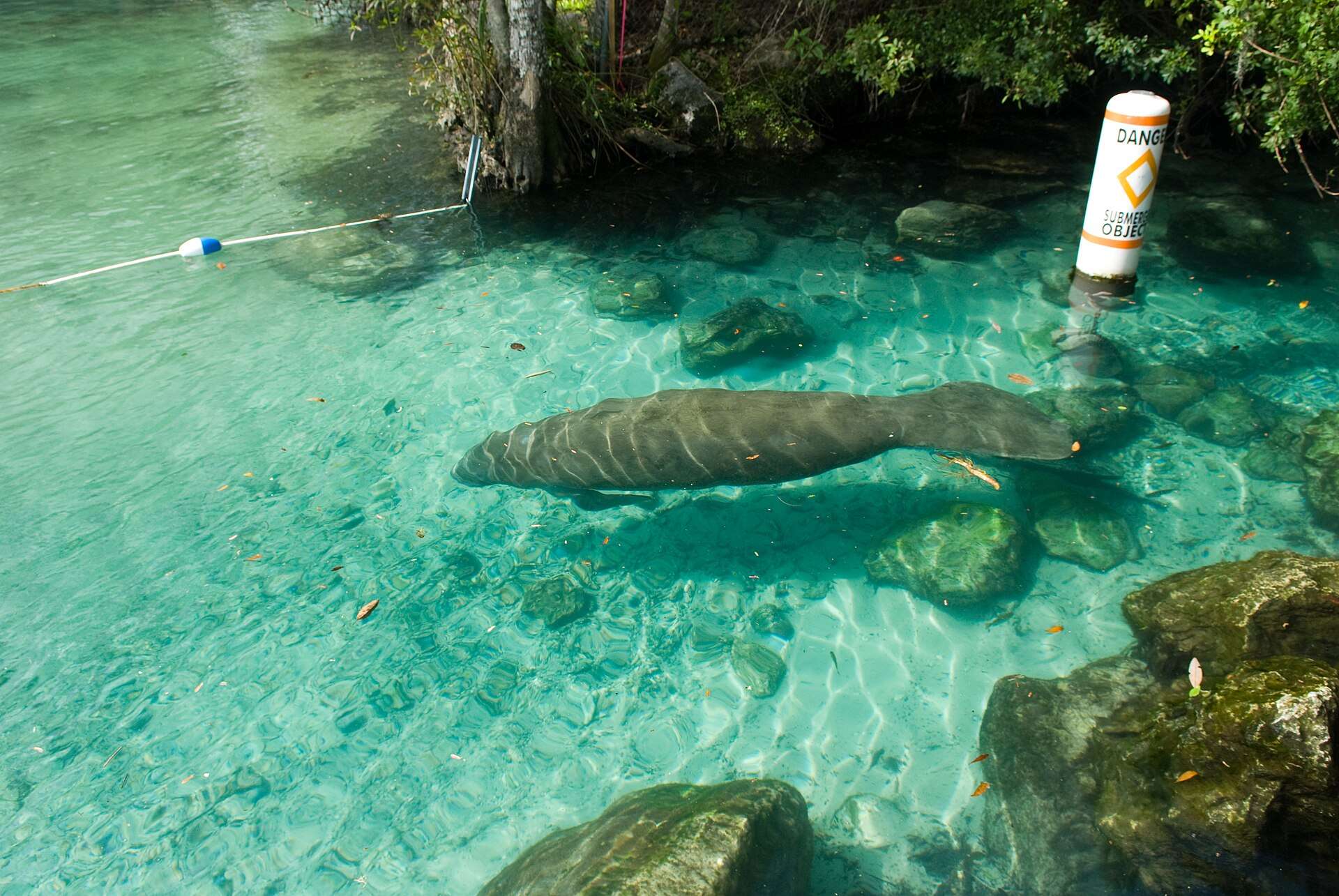
Ninety minutes west, this is the swim the law allows — the only place in the country with regulated manatee swims — and the rules are the product: passive observation, hands to yourself, the animal decides the distance.
The short version
- Crystal River sits about ninety minutes west by car, and the swim per the alarm runs only through the regulated framework: Crystal River National Wildlife Refuge — the country’s only refuge created specifically for manatees — with rules and refuge information at fws.gov.
- The legal uniqueness stated plainly: this is the one place in the United States where swimming with manatees is permitted under regulation — ‘passive observation’ as the governing standard: no touching, chasing, cornering, riding, or blocking, with violations carrying federal weight.
- The physics matches this network’s Blue Spring page: King’s Bay’s springs hold 72 degrees year-round, and winter’s cold Gulf water packs hundreds of manatees into the warm vents — November through March the season, cold snaps the peaks.
- The licensed-tour format per the alarm is the practical route: guided small-boat operations run dawn trips with wetsuits, snorkels, and in-water guides enforcing the rules — the operators who brief passive observation like they mean it are the ones to book.
- Three Sisters Springs — the famous crystalline spring complex — layers the protections: boats excluded from the springs in season, swim access managed, and full swimmer closures declared on the coldest days so the animals can rest undisturbed per the alarm; the boardwalk above (city-run, shuttle-accessed) delivers the aerial view of manatees rafted below regardless.
- The non-swim menu keeps the day whole: the boardwalk’s overlooks, kayak and paddleboard rentals under the same distance rules, Hunter Springs’ public park access, and the refuge’s education stops — with scallop season (summer) as the town’s whole other identity.

Getting there
The dawn tour booking per the alarm structures everything: winter slots sell ahead, the first boats meet the coldest water and calmest springs, and the drive from Orlando starts dark to make it. Wetsuits come with the tour (the spring’s 72 degrees reads warm in January air and cold after forty minutes in it); towels and dry layers ride in the car. The cold-morning closure truth cuts both ways — the biggest manatee days can be the no-swim days, and the boardwalk-plus-tour-refund arithmetic is part of booking with operators whose terms respect it.
The visit
The tour’s dawn hours run the experience the alarm framed: the boat idles into King’s Bay’s spring runs, the guide’s briefing repeats the passive-observation law until it sticks, and then the water — floating still at the surface, arms folded, while the animals conduct their own inspection. The rules produce the encounter: a manatee that chooses to approach a motionless swimmer will do so at whiskers’ distance, and the ones that don’t owe you nothing. An hour in the water runs most trips’ real limit. The Three Sisters boardwalk follows by shuttle: the springs’ impossible clarity from above, the winter rafts of animals in the vents, and the closure-day version per the alarm still delivering the spectacle dry. Lunch runs the riverfront’s fish houses; the afternoon adds Hunter Springs’ park, a kayak hour under the same rules, or the drive home ahead of the school buses. The register throughout is the alarm’s: the privilege exists because the rules do.
When to go
November through March is the season with the alarm’s inverse-weather rule in force — the coldest mornings pack the springs and also trigger the swimmer closures, so the spectacular days and the swimmable days overlap imperfectly, and flexibility is the real booking strategy. December through February runs the reliable core. Summer empties the springs of manatees (they disperse to the Gulf) and refills the town with scallopers — a different trip entirely. Every winter morning starts the same way per the standing rule: the operators’ and refuge’s status posts decide the day’s shape before the drive does.
Frequently Asked Questions
Is swimming with manatees actually ethical?
Under this framework — the only legal one — the ethics live in the rules: passive observation, closures when animals need rest, refuge zones boats can’t enter, and federal enforcement behind it. Operators who treat the briefing as liturgy make the encounter defensible; ones who promise touching or guarantee interactions are the red flag. The alarm’s framing is the standard: the animal decides.
What are my actual chances of a close encounter?
In season, strong — the springs concentrate the animals and manatees are famously curious about still swimmers. Cold snaps raise numbers and closure odds together. The honest promise is presence, not contact: most tours put you among animals; whether one approaches to whiskers’ range is the manatee’s call, per the whole design.
Why do the springs close to swimmers on cold days?
Because cold-stressed manatees need the warm vents undisturbed — the closures protect the animals precisely when they’re most concentrated and most vulnerable. The boardwalk stays open per the alarm and those days deliver the season’s biggest counts from above. It’s the system working, not the trip failing.
Crystal River or Blue Spring for manatees?
This network’s Blue Spring page covers the boardwalk-only spectacle at Orlando’s doorstep — bigger single-morning counts, zero swimming, simpler logistics. Crystal River adds the legal swim at real cost and dawn discipline. Watchers choose Blue Spring; swimmers have exactly one option, which is the alarm’s different-privilege point.
What should I bring beyond what the tour provides?
Dry layers and a towel for after, reef-safe sunscreen applied early (not in the springs), a swimsuit worn under clothes for the dawn start, and realistic camera expectations — many operators lend or rent floats and cameras, and GoPro-style rigs work best held still, like everything else in the water.